
Method 08
Concrete scanning in Abu Dhabi, Dubai & Al Ain
Ground penetrating radar and electromagnetic scanning to locate reinforcement, post-tensioned tendons, conduits and voids before any coring, cutting or drilling. Marked on the concrete, with nothing broken.
Depth depends on the concrete and the equipment used
Reinforced and post-tensioned concrete
Non-destructive, no drilling or breaking
Slabs, walls and soffits
Findings reported with the scan limits
Method and sequence confirmed at site survey
What it is
Why scan before you cut
Concrete scanning uses ground penetrating radar and electromagnetic detection to see inside a slab or wall without breaking it. It locates reinforcement, post-tensioned tendons, conduits, pipes and voids, and shows their position and depth so the next operation can be set out around them.
It is the cheapest insurance on any concrete job. Hitting a tendon, a live conduit or a main bar during coring or cutting can mean a safety incident, a structural repair and a stopped site, and a scan before work starts removes that risk. Scanning is non-destructive, with no vibration, no dust and no drilling.
The trade-off is interpretation. What a scan can see depends on concrete cover, reinforcement density and moisture, so findings are marked clearly on site together with the limits of what the scan can confirm. Where a job is critical, scanning can be paired with exposure of the bars or a second method.
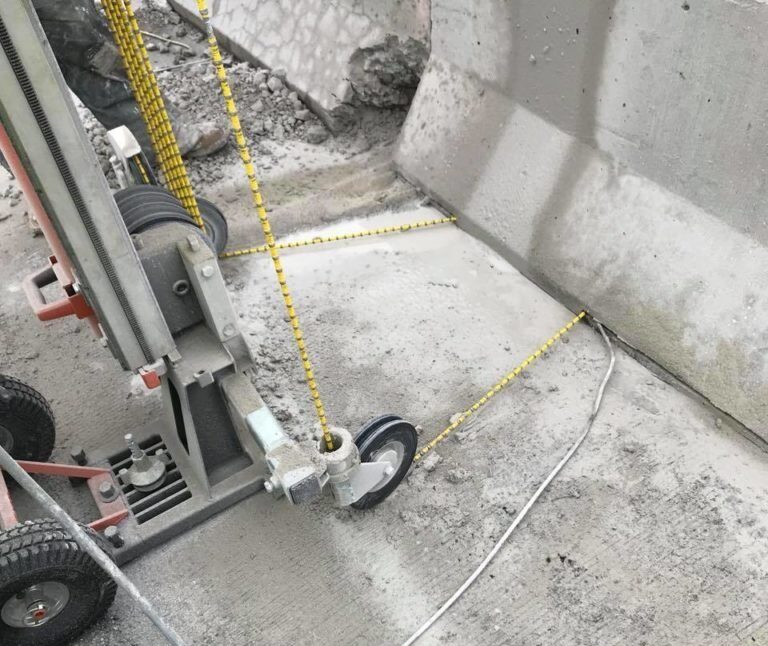
Concrete scanning
Applications
What we use it for
Before coring and drilling
Every core or anchor position checked for bars, tendons and conduits before the drill goes in.
Before sawing and openings
Cut zones for doors, windows and lift openings scanned so reinforcement and services are known before the saw starts.
Post-tensioned slabs
Tendon locations and spacing mapped and marked so coring and cutting can avoid them.
Services and conduit detection
Electrical conduits, pipes and cables located and marked in slabs and walls before work begins.
Rebar mapping and cover
Bar position, spacing and cover recorded for assessment, strengthening and alteration design.
Voids and defects
Voids, honeycombing and delamination identified without breaking out the concrete.
Sequence
How the job runs
Brief and survey
Scope, areas and access agreed, and the structure checked for anything that could limit the scan.
Prepare the surface
Scan area cleared and gridded, with the concrete face accessible and reference points set out.
Scan
Ground penetrating radar and electromagnetic detection run across the grid, with findings checked as the scan progresses.
Mark and report
Reinforcement, tendons and services marked directly on the concrete, with the findings reported to you.
Site control
Why scans go wrong
Running the scanner is rarely the difficult part of a scanning job. The difficult part is trusting the result, and the failures in this trade almost always come from a scan that was too quick or too shallow, or a finding that was never marked clearly on site.
Concrete cover, reinforcement density, moisture and surface finish all affect what a scan can see. Every scan we quote includes a defined scan area, the equipment and method used, findings marked directly on the concrete, and a clear statement of what the scan cannot confirm.
If a contractor says a slab has been scanned but cannot show you what was found or where it was marked, treat the scan as unfinished.
Related
Often quoted together

Concrete Beam Cutting
Structural RC cuts with propping and load transfer. Engineer signed →
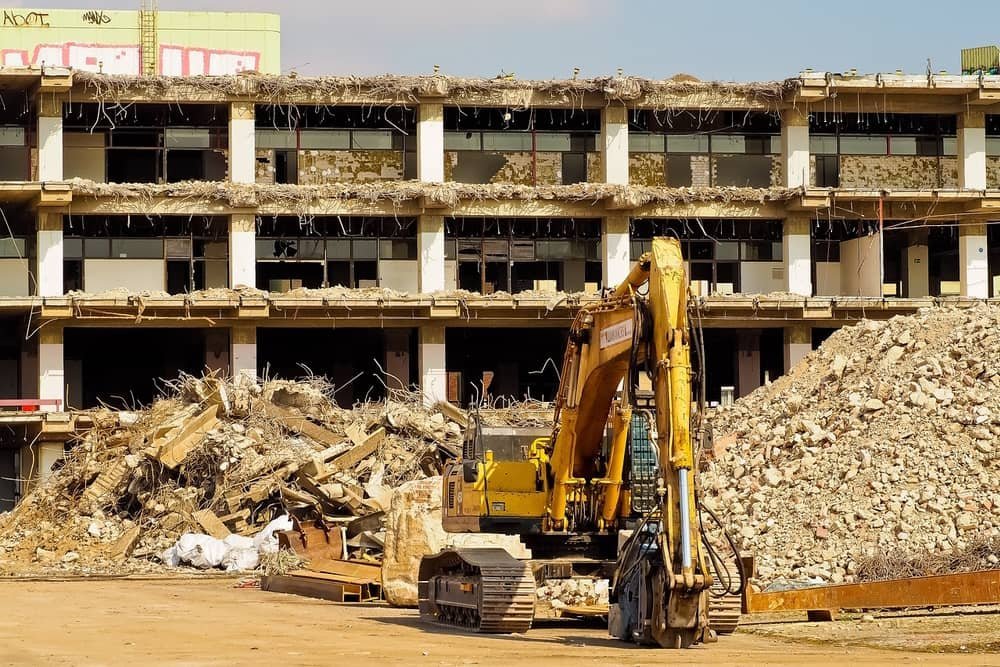
Concrete Slab Demolition
Suspended and ground slabs cut into sections and lifted out. Propped & craned →

Wall Saw Cutting
Track-mounted sawing for doors, windows and lift shafts. To 800 mm →
Questions
Concrete scanning questions
Before any coring, cutting, drilling or anchor fixing in reinforced or post-tensioned concrete. A scan costs far less than hitting a tendon, a conduit or a main bar, and on post-tensioned slabs it is essential.
Depth depends on the concrete, the reinforcement density and the equipment used. Ground penetrating radar sees deeper but with less precision on bar size, while electromagnetic detection suits shallow cover. We tell you what the scan can and cannot confirm for your element.
Yes. Scanning involves no drilling, no breaking and no vibration, so it can be carried out in occupied buildings and next to sensitive equipment. The area only needs to be accessible and reasonably clean.
Yes. Scanning picks up metallic and non-metallic services such as electrical conduits and pipes, as well as reinforcement and tendons. Depth and clarity vary with the material, which is why findings are marked and explained on site.
Findings are marked directly on the concrete during the scan so the next trade can see them, and we report what was found, at what depth and with what limits. If you need a scan record for your engineer, tell us when you book.
Send the drawings, get a fixed price
Mark the areas to be scanned on a PDF or DWG and we come back within four working hours with a fixed quote, or a time for a free site survey.