
Method 07
Concrete beam cutting in Abu Dhabi, Dubai & Al Ain
Controlled cutting and removal of propped RC beams and transfer elements. Scanned, engineer approved and taken out in sections, for openings, layout changes and structural alterations.
Set by the propping and lift plan
Reinforcement scanned before any cut
Suitable for occupied buildings
Wire or track saw as the section needs
Propping and lift plan produced per job
Method and sequence confirmed at site survey
What it is
When beam cutting is the right method
Concrete beam cutting is the controlled removal of all or part of a reinforced concrete beam using diamond sawing equipment. It is used to open up floor plates, form service openings, remove transfer beams and prepare a structure for alteration, without breaking the concrete out by percussion.
Because a beam is a structural element, it is never cut in isolation. It usually carries slabs, walls or floors above, so the cut has to be planned with the structural engineer, with temporary propping and load transfer in place before the saw touches the concrete. Done this way, cutting is precise, low vibration and safe for the rest of the structure.
The trade-off is preparation. Beam cutting needs a scan of the reinforcement, engineer approved propping, a restraint for the cut piece and a removal plan, so the planning takes longer than a simple wall or floor cut. On a load carrying beam that preparation is what keeps the job safe, and it is why the cutting itself then runs quickly and cleanly.
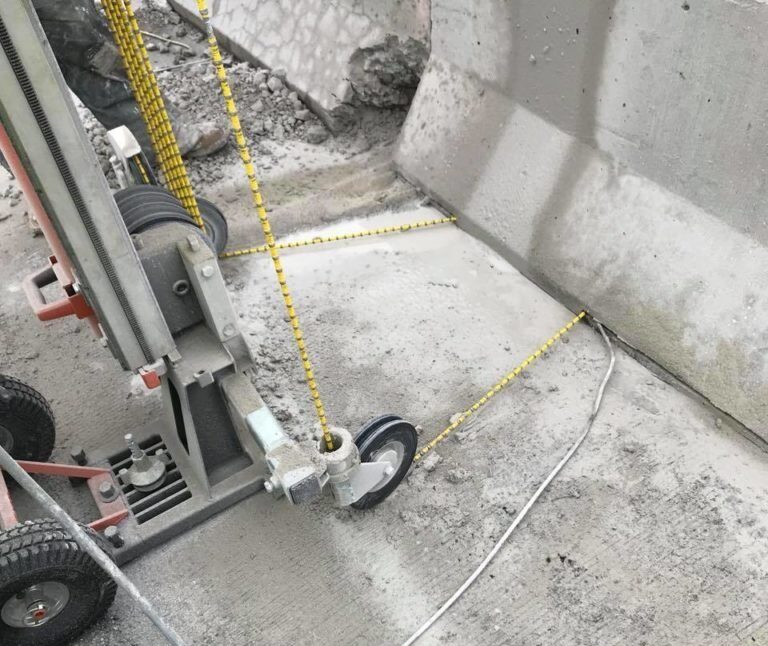
Beam cutting
Applications
What we use it for
Transfer and podium beams
Deep transfer beams cut and removed in controlled sections under engineer approved propping, for change of use or structural alteration.
Service and duct openings
Openings formed through beams for MEP routes, cut to the size and position shown on the engineer drawing.
Heavily reinforced beams
Congested reinforcement and post-tensioned tendons located by scan first, then cut without damaging adjacent elements.
Occupied and live buildings
Low vibration cutting in malls, hospitals and offices where tenants and equipment stay in place during the works.
Beam removal for new layouts
Full or partial beam removal to open up floor plates, widen spans or make room for new stairs and lifts.
Repair and strengthening
Damaged beam sections cut out cleanly for replacement, jacketing or strengthening works.
Sequence
How the job runs
Survey and propping design
Beam surveyed, section weights calculated, and the engineer propping and load transfer arrangement confirmed before cutting starts.
Prop and scan
Temporary props installed and checked, with the full cut zone scanned for reinforcement, tendons and services.
Set out and rig
Cut lines marked out, saw or wire rigged, and protection and the removal path set up below the beam.
Cut and lift out
Beam cut under continuous water feed, section restrained throughout and lowered out in pieces to a prepared laydown area.
Site control
Propping, load transfer and the part that goes wrong
The cutting is rarely the difficult part of a beam cutting job. The difficult part is what happens to the load the beam was carrying, and the failures in this trade almost always come from load that was not properly transferred rather than from the cut itself.
A beam usually supports slabs, walls or floors above it, and concrete weighs roughly 2.4 tonnes per cubic metre, so even a short section can be several tonnes. Every beam cutting job we quote includes engineer approved propping, a calculated section weight, a restraint holding the piece while the cut completes, and an agreed removal method with a laydown area identified before we start.
If a contractor quotes beam cutting without asking who has signed off the propping, that is the question they have not thought about yet.
Related
Often quoted together

Concrete Beam Cutting
Structural RC cuts with propping and load transfer. Engineer signed →
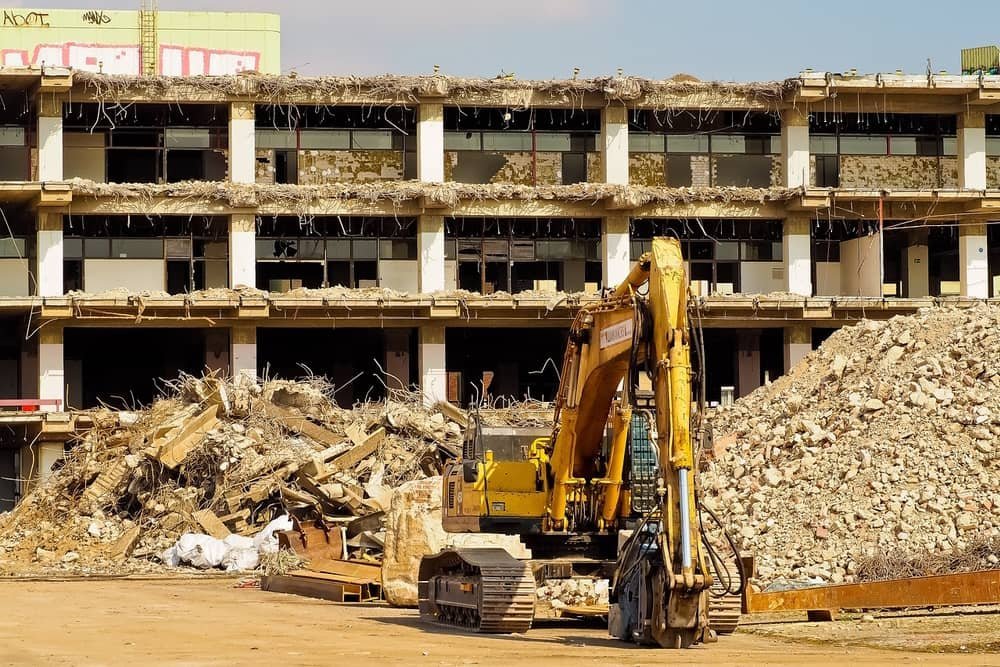
Concrete Slab Demolition
Suspended and ground slabs cut into sections and lifted out. Propped & craned →

Wall Saw Cutting
Track-mounted sawing for doors, windows and lift shafts. To 800 mm →
Questions
Beam cutting questions
Yes, whenever the beam carries load from slabs, walls or floors above. The structural engineer defines the propping and the cutting sequence, and we do not start until the props are installed and checked. Cutting a loaded beam without propping risks sudden deflection or collapse.
Yes. Deep and heavily reinforced beams are cut with wire saw or track mounted equipment as the section requires. We scan the beam first so the reinforcement and any post-tensioned tendons are located before cutting begins.
Very little. Diamond sawing involves no percussion, so beams can be cut in occupied buildings without shaking the structure or the equipment around it. Where noise limits are tight, the work can be scheduled out of hours.
Yes. Openings are cut to the size and position shown on the engineer drawing, with the cut zone scanned first. Limits on openings through beams are set by the engineer, so we need their detail before we quote.
That is planned before cutting starts. We calculate the section weight, agree the propping and restraint with the engineer, and plan the lowering method and laydown area with you in advance. Long beams are cut into smaller pieces so each can be handled safely.
Send the drawings, get a fixed price
Mark the beams to be cut on a PDF or DWG, with the engineer drawing if you have it, and we come back within four working hours with a fixed quote, or a time for a free site survey.